
Humanities & academic writing
Introduction to Philosophy: Logic
Bahram Assadian, Matthew Knachel
Learn to identify an argument and examine the relationship between its premises and conclusion.
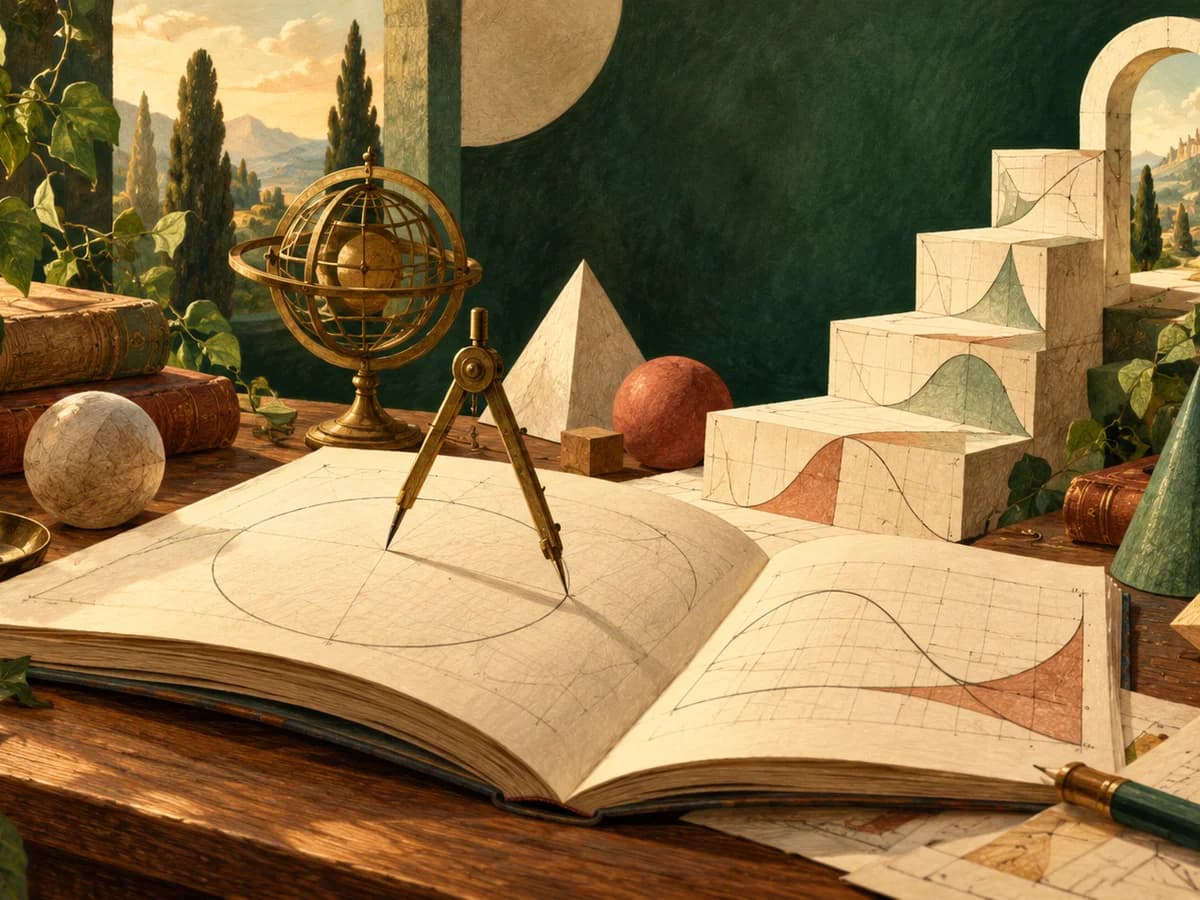
What counts as knowledge? What makes an argument hold? Open a book that leaves room to think.
Find your next read
A philosophy shelf can begin with a question rather than a chronology. These six introductions offer places to examine reasons, values, experience and belief. Read a small argument closely, separate its premises from its conclusion, and make space for an objection.
The reading shelf / 6 selections
Each selection has its own starting point. Follow the one that interests you.
Humanities & academic writing
Bahram Assadian, Matthew Knachel
Learn to identify an argument and examine the relationship between its premises and conclusion.

Humanities & academic writing
Guy Axtell, Brian C. Barnett (Book Editor and Chapter Author)
Ask what distinguishes knowledge, belief and a good reason for believing something.
Humanities & academic writing
Frank Aragbonfoh Abumere, Douglas Giles
Compare ways of reasoning about what we ought to do, and why.
Humanities & academic writing
Eran Asoulin, Paul Richard Blum
Investigate questions about experience, consciousness and the relationship between mind and body.
Humanities & academic writing
Yuriko Saito, Ruth Sonderegger
Explore how we talk about beauty, art and aesthetic experience.
Humanities & academic writing
Beau Branson (Book Editor), Marcus William Hunt
Examine philosophical arguments about religious belief and their objections.
A little further
Separate a conclusion from its premises, test a tempting mistake, and choose a philosophical question worth staying with.
02 / 11 min readCognitive Load Theory: When Audio Learning HelpsAudio can redistribute cognitive load, but it does not make difficult material effortless. Learn when listening helps, when it overloads, and how to choose.
03 / 7 min readHow to Listen to Research Papers Without Missing the EvidenceUse audio to follow an argument, then return to the paper for the evidence. A worked example shows how to keep the claim, result and limitation connected.
Five ways in
Thoughtful reading paths, open books, and ideas you can explore for yourself.

Start where you are. Follow a question. Find the book that makes the next idea click.

A first program, a clever search, a useful question about data. Make the invisible steps visible.

What counts as knowledge? What makes an argument hold? Open a book that leaves room to think.

A poem, a fable, a story with a turn you did not see coming. Read something complete.

Find a small adventure, follow the pictures, and leave a little room for conversation.