
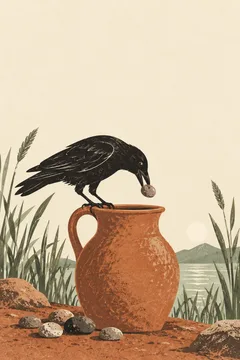
A small obstacle, a patient solution: begin with the complete fable of the crow and the pitcher.
Read the complete work04 / The small reading escape
A little time. A whole world.
A poem, a fable, a story with a turn you did not see coming. Read something complete.
Find your next read
A short work offers the pleasure of reaching an ending without rushing toward it. This selection brings together complete fables, poems and a classic story. Their historical language and perspectives are part of the encounter; each work keeps its own source and reading notes.
The reading shelf / 6 selections
How much room is there in your day?
Each selection has its own starting point. Follow the one that interests you.
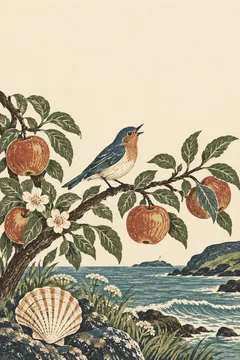
A Birthday
Christina Rossetti
Follow Rossetti’s vivid comparisons and the change of direction between two stanzas.
Read the complete work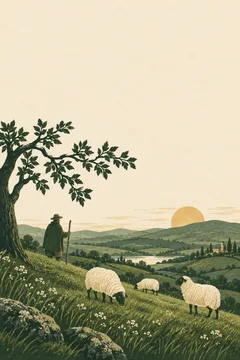
The Shepherd
William Blake
Let Blake’s brief lines draw your attention to care, repetition and the sound of a poem.
Read the complete workAn oak and the reeds meet the same storm. Read the contrast, then decide what you make of it.
Read the complete workThe Ant and the Dove
Aesop
Two acts of kindness connect in a compact fable. Read the note about danger before sharing it with children.
Read the complete work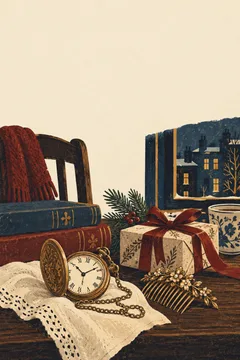
The Gift of the Magi
O. Henry
Set aside a longer break for O. Henry’s complete story of two gifts and one tender surprise.
Read the complete workA little further
Keep the idea going.
01 / 3 min readMake Room for a Small Reading Escape
Choose a complete fable, poem or short story, and give its ending enough space to change what came before.
02 / 4 min readKeep Track of Novel Characters Without Reading AheadA character notebook should tell you what you have seen so far, and show where each note came from.
03 / 6 min readDoes Listening at 2× Speed Hurt Comprehension? What the Research ShowsA popular experiment and a newer meta-analysis answer related questions. Neither establishes a universal 2× setting for every document, voice and listener.
Five ways in
Where will you go next?
Thoughtful reading paths, open books, and ideas you can explore for yourself.
01 / A place to begin
A new way into mathematics.
Start where you are. Follow a question. Find the book that makes the next idea click.
02 / Think in code
Small steps. Powerful ideas.
A first program, a clever search, a useful question about data. Make the invisible steps visible.

03 / The examined idea
Stay with a good question.
What counts as knowledge? What makes an argument hold? Open a book that leaves room to think.
04 / The small reading escape
A little time. A whole world.
A poem, a fable, a story with a turn you did not see coming. Read something complete.
05 / Read together tonight
One story. A shared moment.
Find a small adventure, follow the pictures, and leave a little room for conversation.